A pigeon steps around your feet, eyes a crumb, and carries on as though it has somewhere to be. It is easy to overlook a bird you see every day. Look closer, though, and the familiar sidewalk pigeon becomes much harder to dismiss.
These ten facts mix scientific experiments with behaviors you can spot for yourself. Most are about the rock pigeon—the bird commonly seen in cities—not every species called a pigeon.
“The bird you pass without a second thought may be paying much closer attention to you.
1.Pigeons can tell one person from another
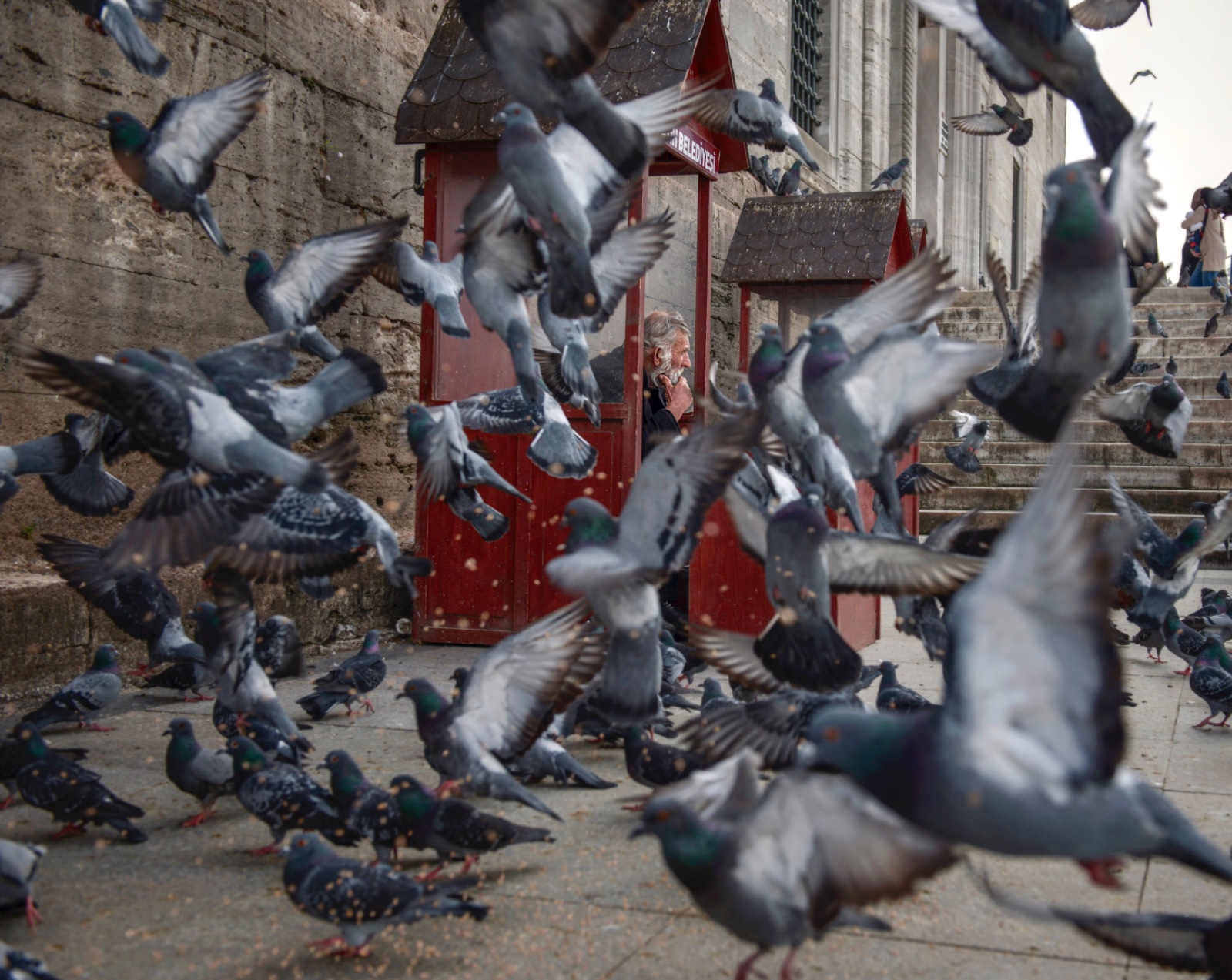
In an experiment with free-living pigeons, two people offered food, but one chased the birds away. The pigeons learned to avoid that person even after the people switched coats. They were responding to more than the color of a jacket. That does not mean every pigeon knows your face, but it does mean the birds can learn who is worth approaching. [1]
2.They can sort paintings by artist
Researchers trained pigeons to distinguish paintings by Monet from paintings by Picasso. The birds also responded to works they had not seen during training, suggesting they learned visual differences beyond memorizing a few images. The result shows a striking ability to sort complex patterns. [2]
3.Some have learned to recognize written word patterns
Four pigeons in a laboratory learned to distinguish dozens of familiar four-letter English words from made-up letter strings. They even showed sensitivity to letter combinations when tested with new strings. They were recognizing visual patterns, not reading for meaning—but it is still an impressive feat for a bird with no language lessons. [3]
4.They can put groups of objects in numerical order
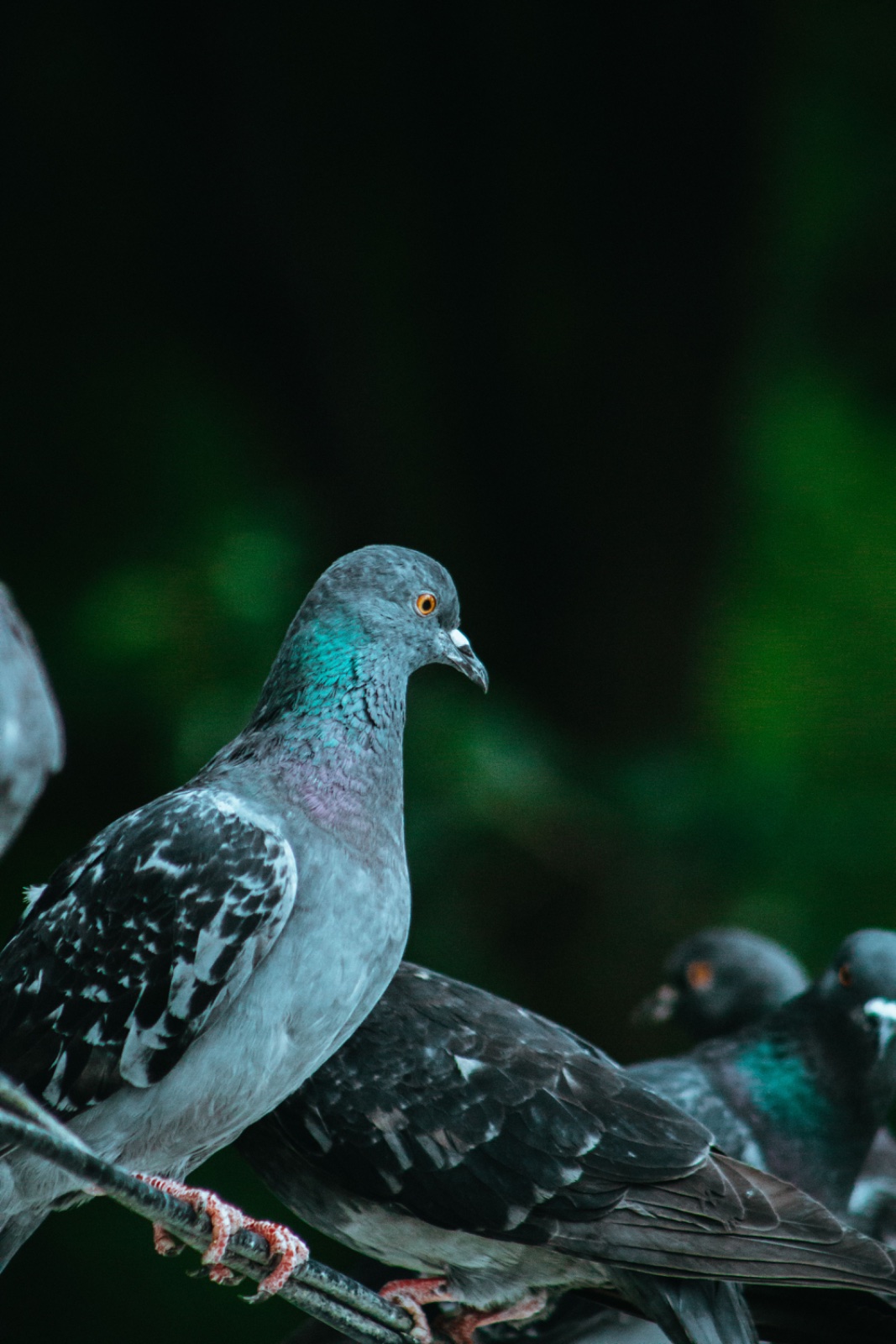
In another experiment, pigeons learned to peck groups containing one, two, and three objects in ascending order. When researchers tested them with larger groups they had not practiced in the same way, the birds showed that the rule could extend beyond the original examples. This is numerical learning, not a pigeon doing arithmetic on the sidewalk. [4]
5.They can learn to spot patterns in medical images
Scientists trained pigeons to distinguish certain images of benign and malignant breast tissue. The birds could apply what they learned to some new tissue images. The experiment tested visual learning and shows how carefully pigeons can examine complicated pictures; it does not make them medical diagnosticians. [5]
6.That funny head bob helps them see
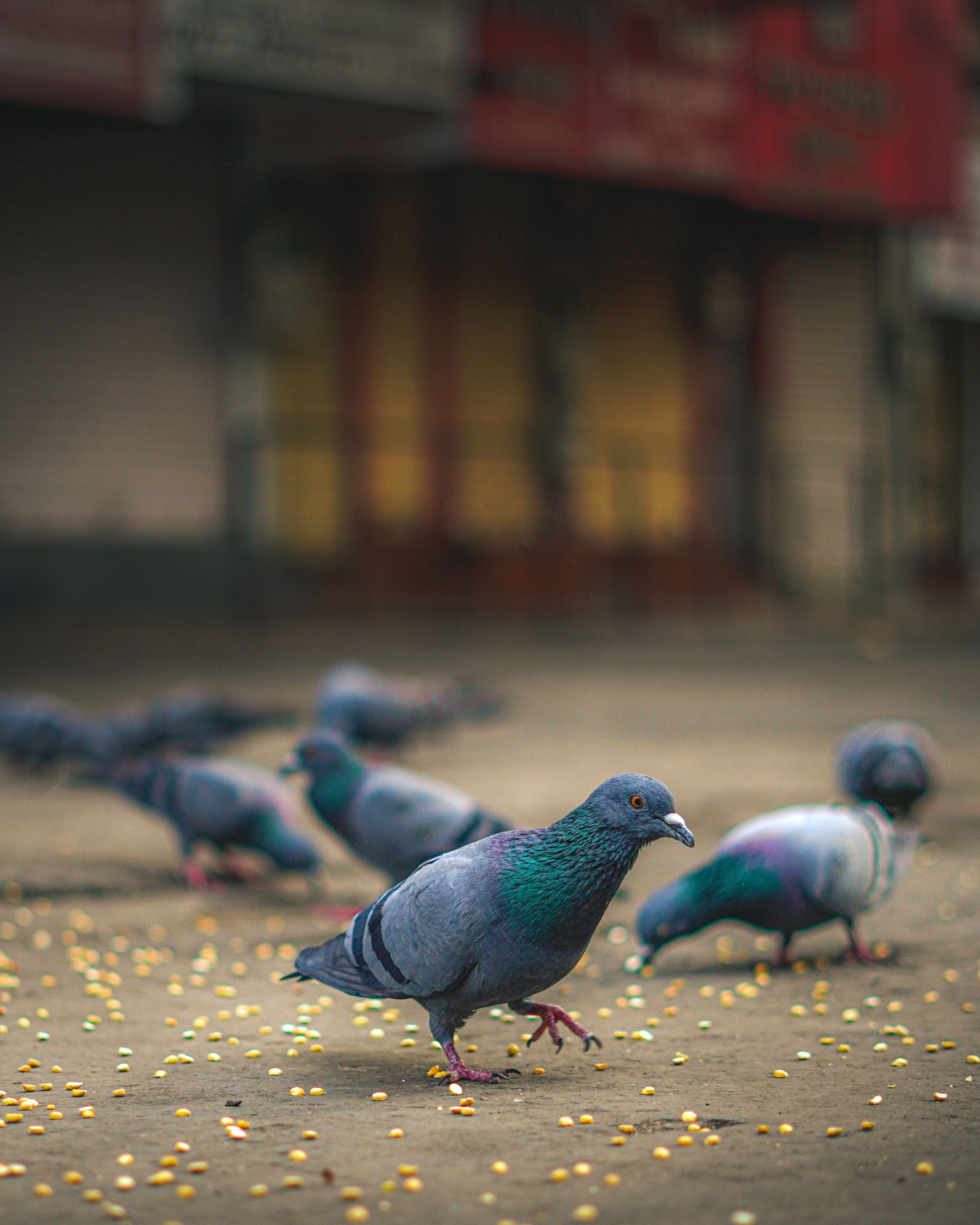
Watch a walking pigeon closely. Its head briefly stays still while its body moves forward, then darts ahead for the next step. Researchers found that this movement can stabilize the view during part of the cycle and help the bird pick up visual motion. What looks like a swagger is part of how it surveys the world. [6]
7.They drink with their beaks in the water
Many birds take a sip and tip their heads back to swallow. A pigeon can place its bill in water and draw the water up, almost like using a straw. The next time you see a pigeon at a puddle, notice how long its beak stays down. [7]
8.Both parents make food for their chicks
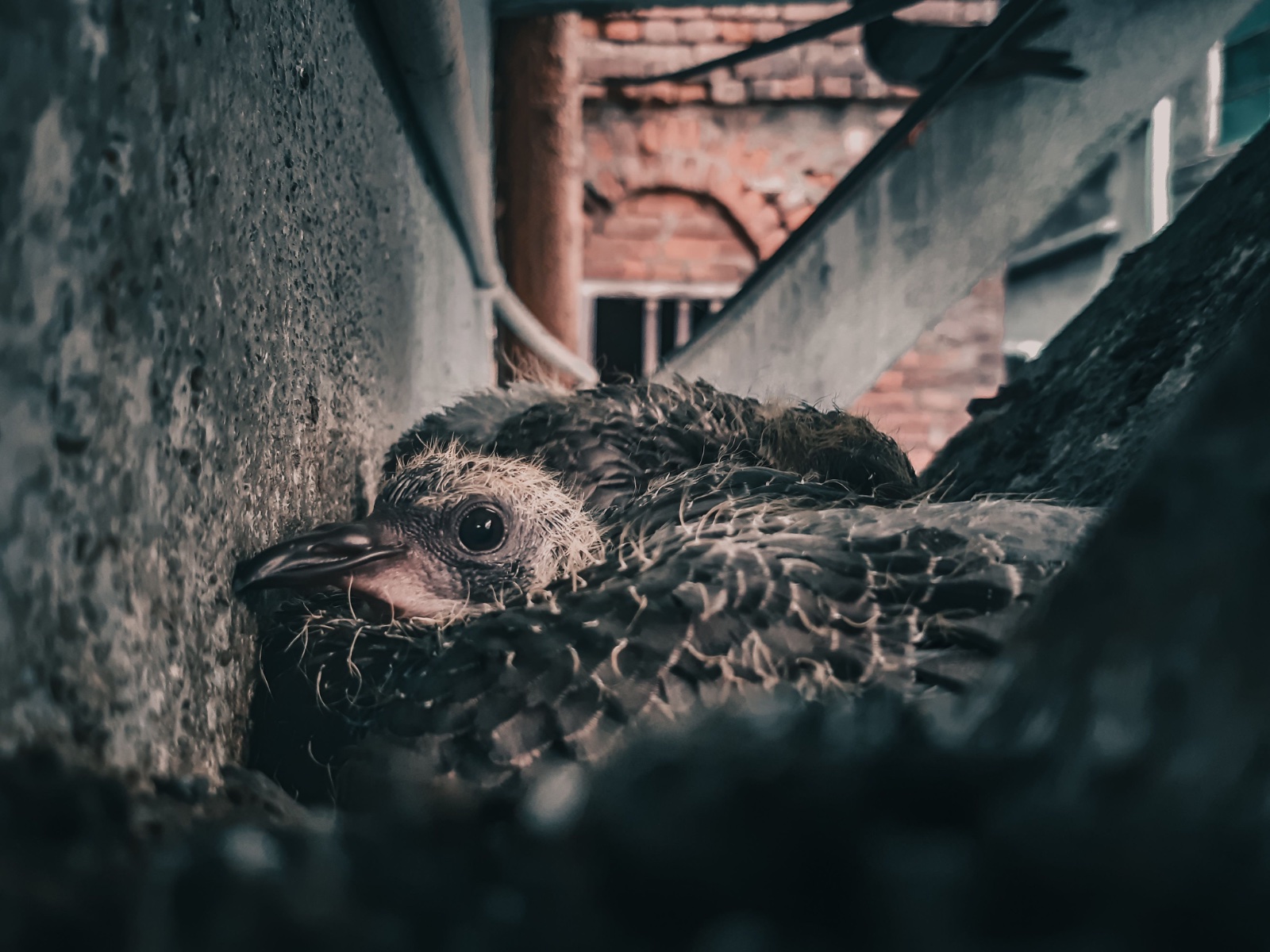
Pigeon parents produce a rich substance called crop milk and feed it to their young. It comes from the lining of a pouch in the throat, not from mammary glands. Both adults also take turns tending the nest. The scruffy baby hidden above a storefront has two remarkably hands-on caregivers. [7]
9.A pigeon courtship can look like a tiny parade
A male may puff out his throat, bow, coo, and strut in a circle around a female. A pair may preen one another, too. Once you know what to watch for, a group of birds outside a café can reveal courtship and social behavior rather than random sidewalk traffic. [7]
10.City buildings make sense to a cliff bird
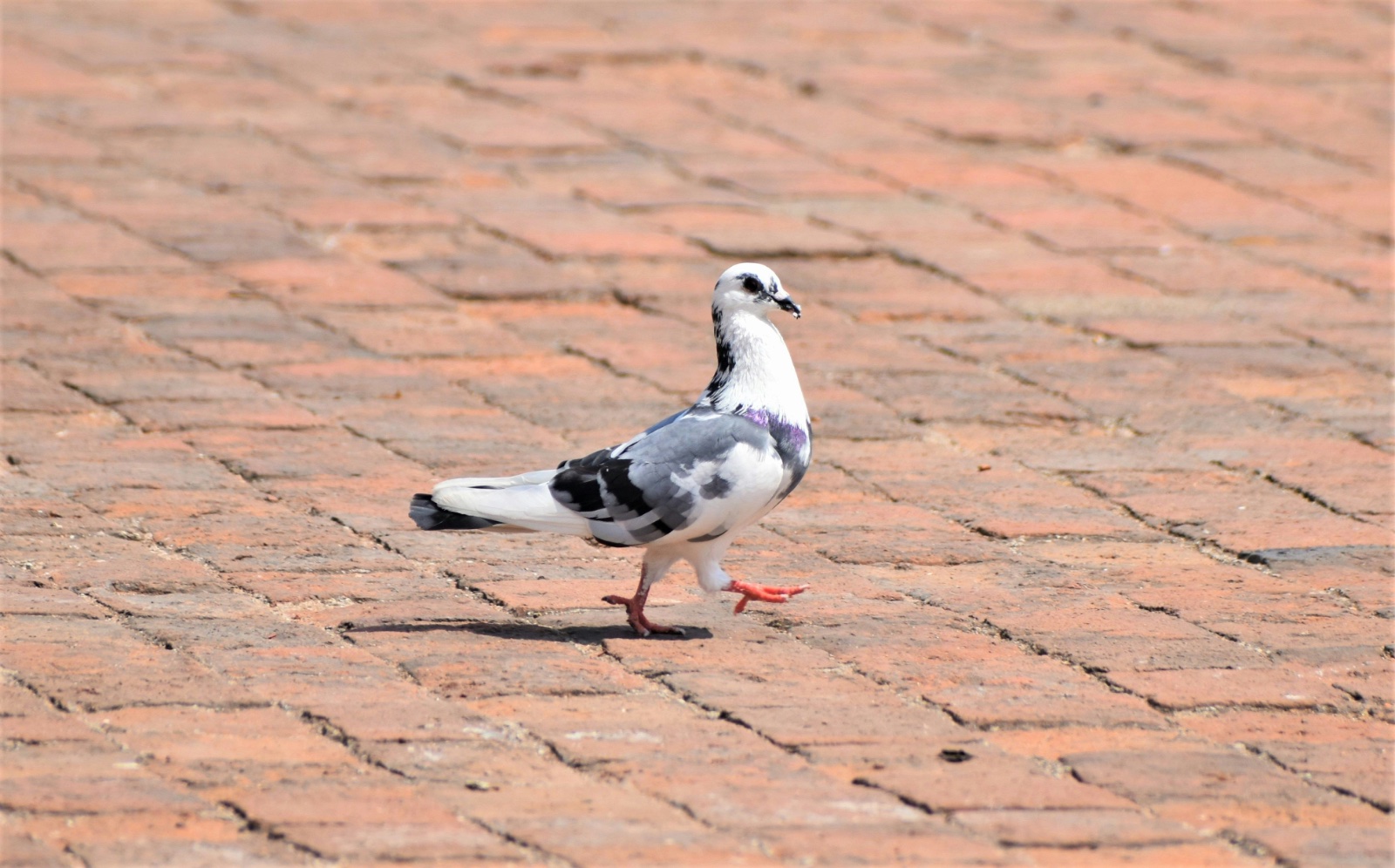
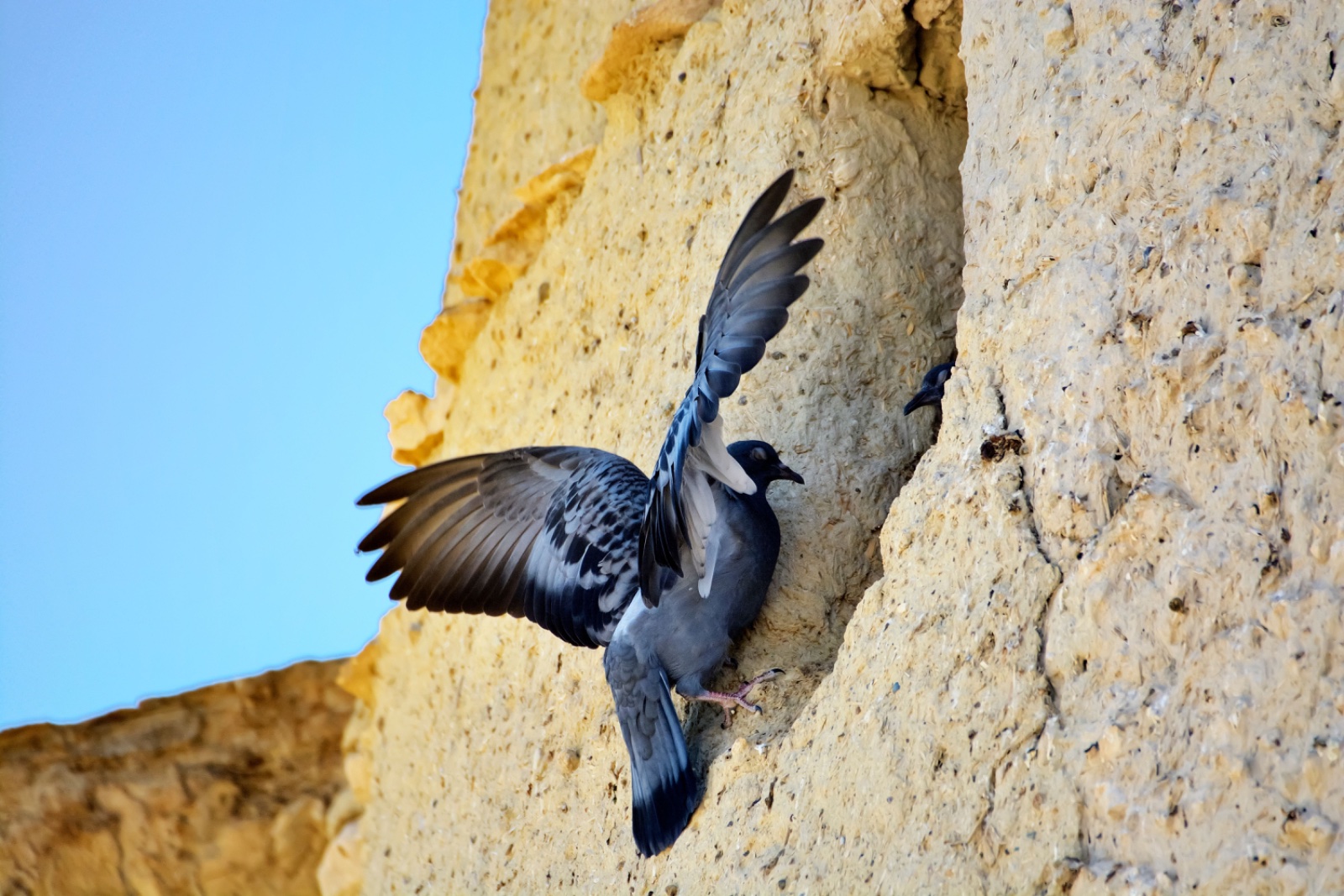
Rock pigeons also use natural cliffs, so a sheltered ledge, bridge, or building nook offers a familiar kind of nest site. Their street-level wardrobes vary just as much: blue-gray, rusty, white-splotched, checked, and almost black birds may all be rock pigeons. Charles Darwin kept pigeons and studied the enormous variety people had bred into them. [7, 8]
Look again the next time you see one
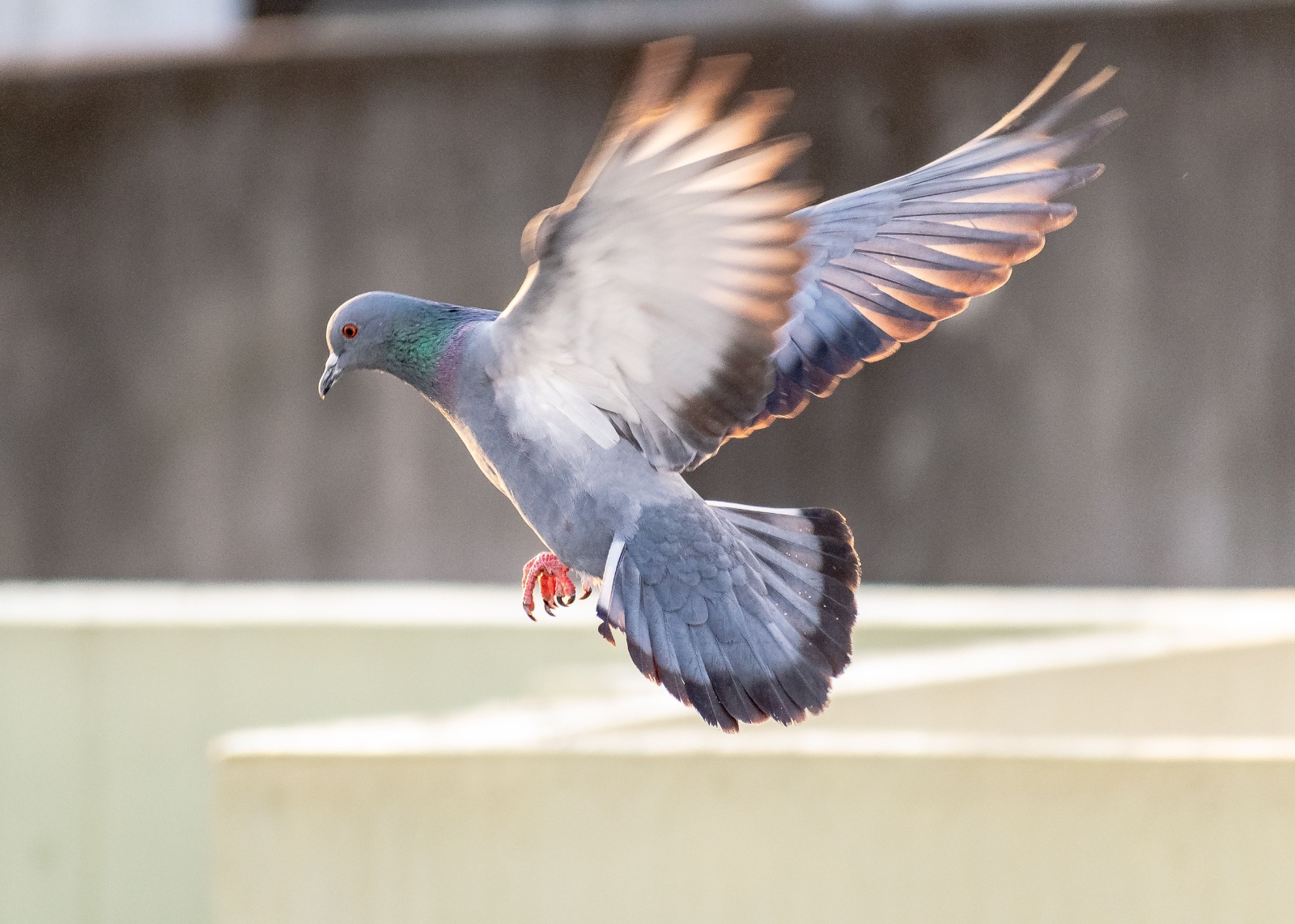
You do not need a laboratory to notice the difference. Watch one pigeon for a minute: how it looks around, drinks, courts another bird, or chooses a perch. Familiarity may have made pigeons easy to ignore, but it has also placed these animals right where we can learn from them.