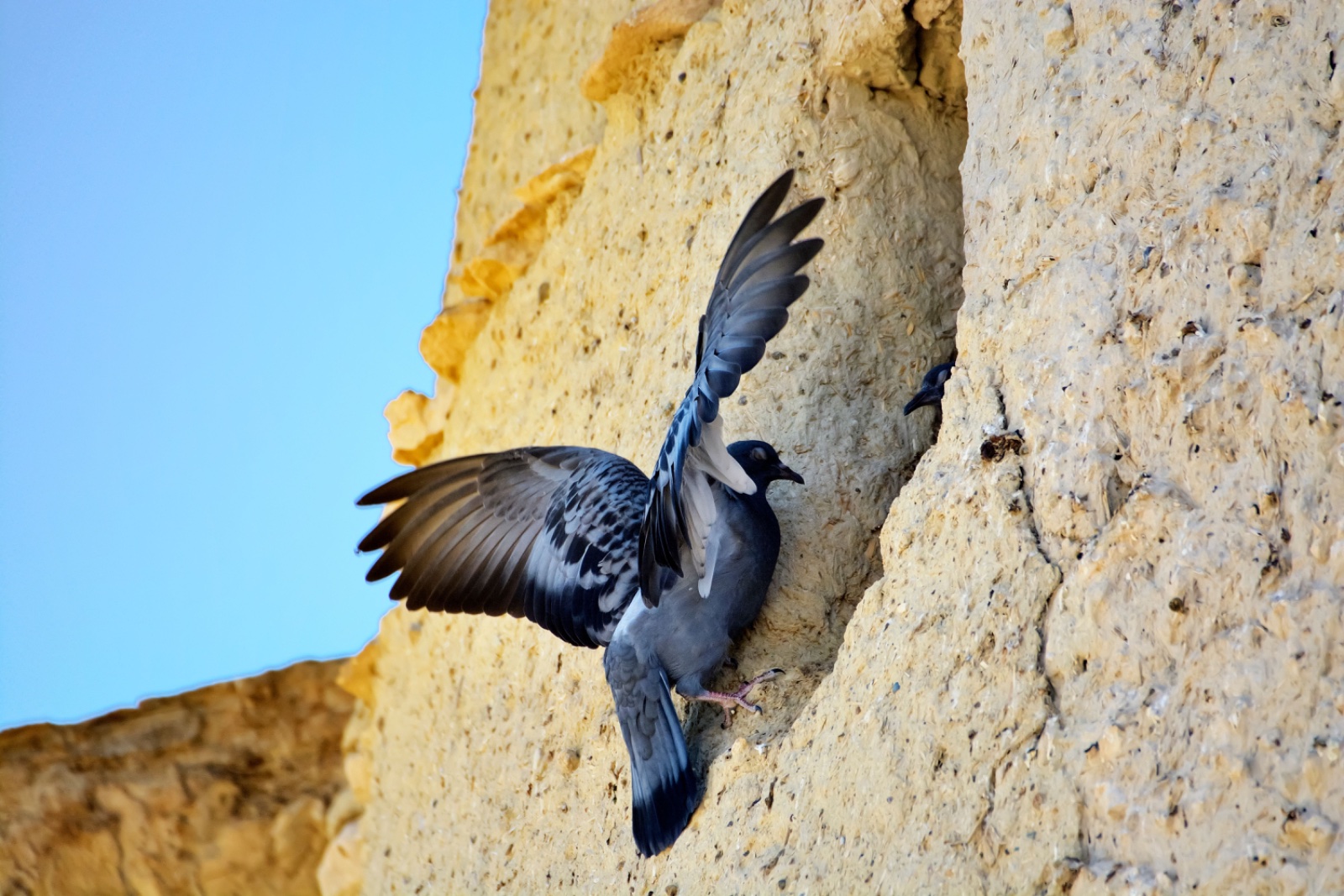
In 1918, a pigeon named Kaiser carried messages for the German Army. American soldiers captured him, and he later joined the U.S. Army’s pigeon program. During World War II, his offspring served in Europe and the Pacific. Kaiser did not choose sides; he just knew how to find home. [1]
That instinct made pigeons valuable messengers long before anyone could send a text—or rely on a radio. Their history includes ingenious communication systems, remarkable flights, and a reminder that the animals people call “ordinary” have done extraordinary things.
“The animals people call ‘ordinary’ have done extraordinary things.
How do messenger pigeons work?

A messenger pigeon is a homing pigeon: a domestic pigeon bred and trained to return to its loft. A handler takes the bird away from home, attaches a small message, and releases it. The pigeon flies back to its loft, where someone collects the note. [2]
Most messenger pigeon flights worked in one direction—home. The sender needed a bird from the place where the message should arrive. Military trainers later developed specialized methods for getting some pigeons to fly between two lofts, but that took more planning and training. [2, 3]
Related readingCarrier Pigeons: How Did They Carry Messages? →When did people use pigeons to send messages?
People used homing pigeons to carry news well before the World Wars. During the 1870–71 Siege of Paris, balloons carried mail and pigeons out of the surrounded city. The pigeons then brought tiny messages back in, including messages recorded on microfilm. It was an inventive solution to a difficult question: how do you send news into a city you cannot reach by ordinary mail? [4]
War later gave pigeon post a different urgency. On a battlefield, a broken wire, unreliable connection, or dangerous route could leave soldiers unable to communicate. A pigeon small enough to travel with a unit offered another way to send word back to headquarters. [2, 5]
What did war pigeons do in World War I?

Armies used pigeons to report positions and send requests when other communication failed. The U.S. Army began its pigeon program in 1917 and sent more than 15,000 trained pigeons to its forces in Europe by the end of World War I. Soldiers carried birds forward; the pigeons carried messages home. [5]
One of the best-known birds was Cher Ami, who became closely associated with the “Lost Battalion,” a group of American soldiers surrounded in the Argonne Forest in 1918. [6]
Cher Ami returned to the loft badly wounded. The bird’s service is documented, but surviving records cannot confirm whether Cher Ami carried the Lost Battalion’s key message. [6]
Why did armies still use pigeons in World War II?
Radio had arrived, but it did not work everywhere or in every situation. The U.S. Army used pigeons in places where communication was difficult, including jungle and mountainous terrain and aboard small ships. Its Signal Corps supplied roughly 54,000 pigeons to the armed services during World War II. [5]
The birds needed people and equipment behind every flight. Handlers maintained lofts, transported pigeons, cared for them, and prepared messages. The U.S. Army Air Forces even issued instructions for releasing pigeons from aircraft. [3, 7]
One pigeon from that war, G.I. Joe, delivered a message that stopped an Allied bombing after friendly troops had already entered an Italian town. His award citation credits him with flying 20 miles in 20 minutes and helping save at least 100 soldiers. [8]
How did people train a messenger pigeon?

Training started with a home loft. Handlers helped young homing pigeons learn that it was a familiar place to return to, then practiced releases from short distances before gradually increasing the distance. Consistent care and feeding helped establish the loft as home. [5, 9]
Training did not teach a bird to read a destination or follow a spoken command across the countryside. It developed the bird’s natural homing ability and prepared it for the kinds of journeys its handlers expected it to make. Weather and the bird’s welfare mattered, too; today’s pigeon racing organizations caution against releasing birds into poor conditions. [2, 9, 10]
If you’re curious about keeping homing pigeons, learn from an experienced local pigeon keeper before considering a loft or a release. A city pigeon you find on the sidewalk is not a ready-made messenger. [9]
What happened to the war pigeons?
As communication technology improved, armies relied less on pigeons. The U.S. Army discontinued its pigeon service in 1957. [5]
We can admire what messenger pigeons accomplished while remembering what the birds endured. People took them into war and exposed them to injury and death. Kaiser’s changing allegiance makes the point especially clearly: he flew for whichever humans held him, but his own destination was always home. [1, 6]
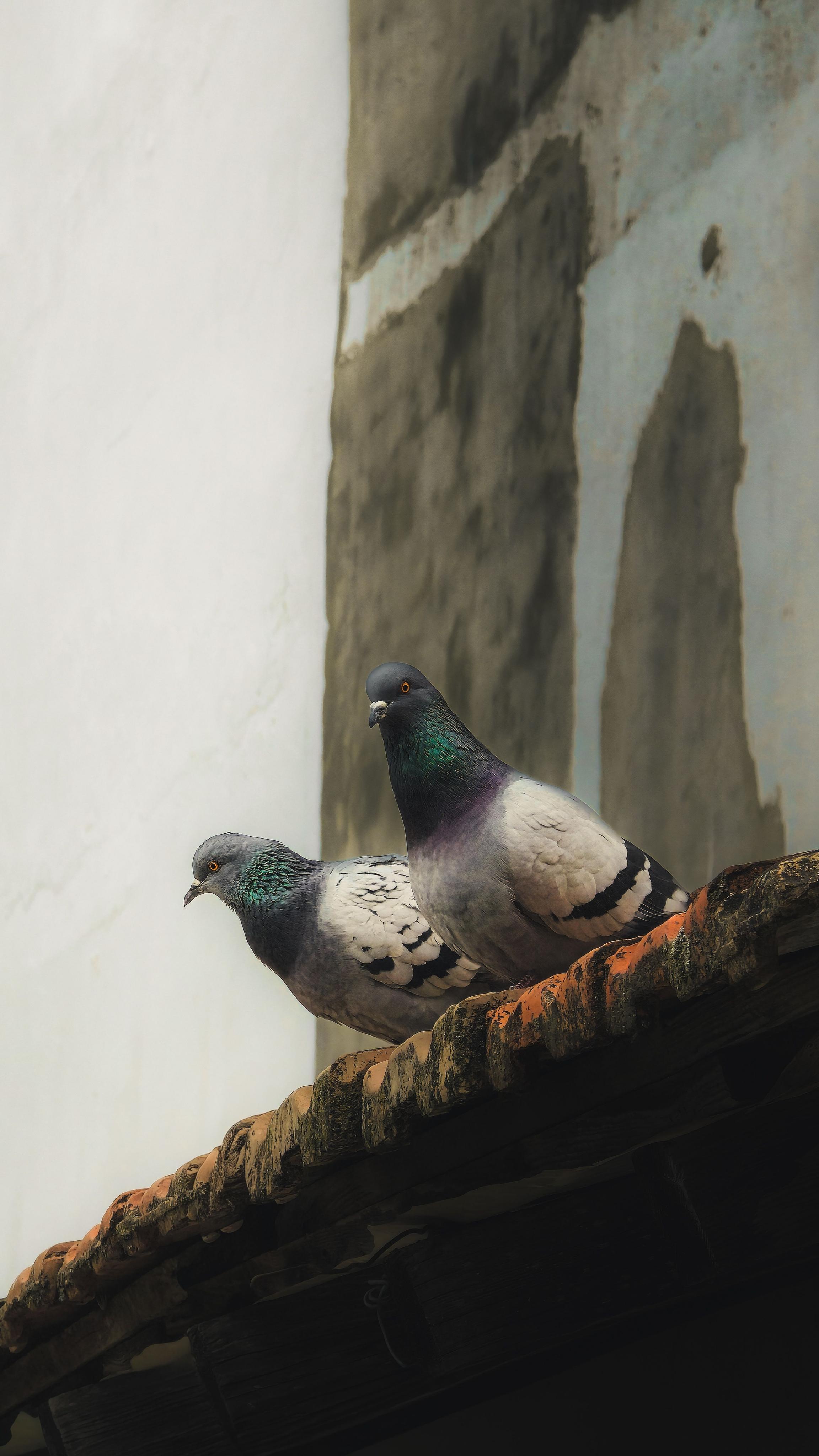
The next time a pigeon struts past you, take a second look. Pigeons like that familiar city bird once carried news through sieges and wars.
Messenger pigeon questions, answered
What is the difference between a messenger pigeon and a carrier pigeon?
In this context, the names describe the same job. People used trained homing pigeons to carry messages back to their lofts. [2]
How do messenger pigeons know where to go?
They return to a familiar home loft. They do not know the recipient’s address; people plan the route by choosing a bird from the destination loft. [2]
How do you train a messenger pigeon?
Handlers establish a home loft and build a bird’s experience with gradually longer flights back to it. Training and releases require knowledgeable care and suitable conditions. [5, 9, 10]
Were pigeons used in both World Wars?
Yes. The U.S. Army used trained pigeons in World War I and World War II, and other nations used them as well. [5, 7]