
Say “pigeon” and most people picture the gray bird that walks through a city square as if it owns the place. That bird is one species in a much wider family. Some pigeons spend their days in western forests. Others live on tropical islands or wear a feathered crown.
Here are five species that show just how varied pigeons can be. These are different species—not five breeds or color patterns of the city pigeon. Their homes range from North American sidewalks to the forests of New Guinea. [1–5]
“The pigeon on your sidewalk has relatives with white neck crescents, shimmering feathers, and a crown.
1.Rock pigeon: the familiar city neighbor
Scientific name: Columba livia. [1]

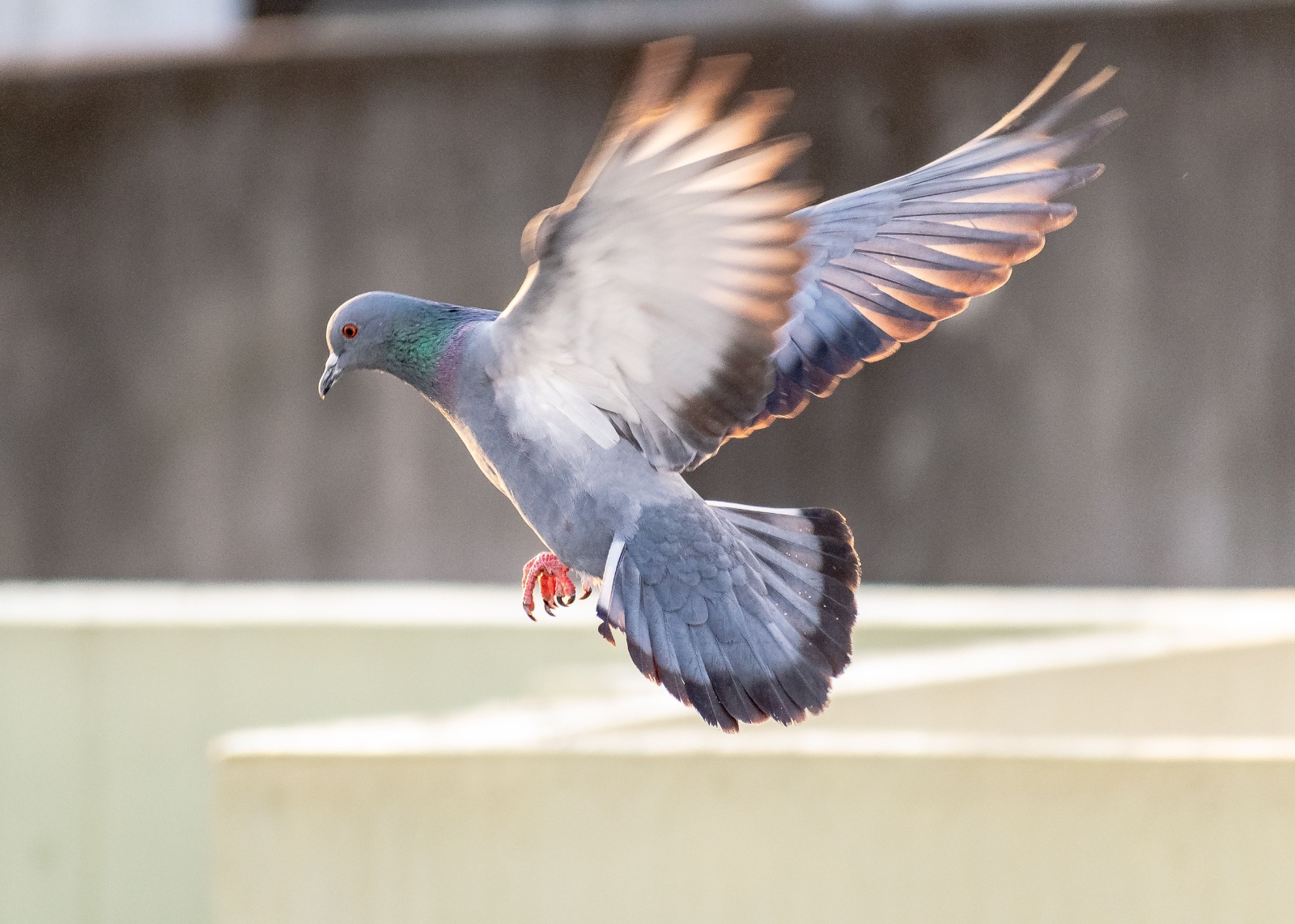
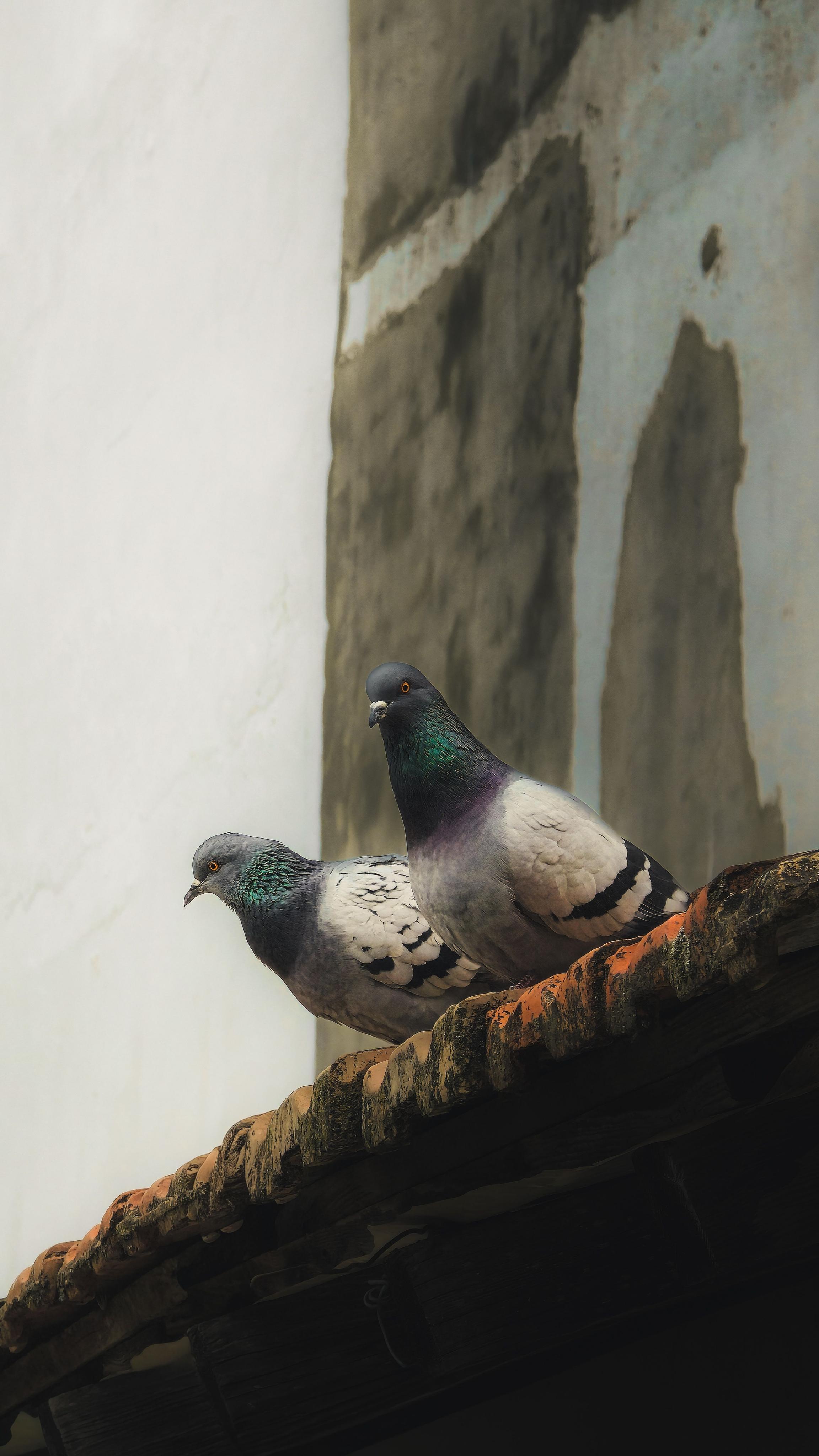
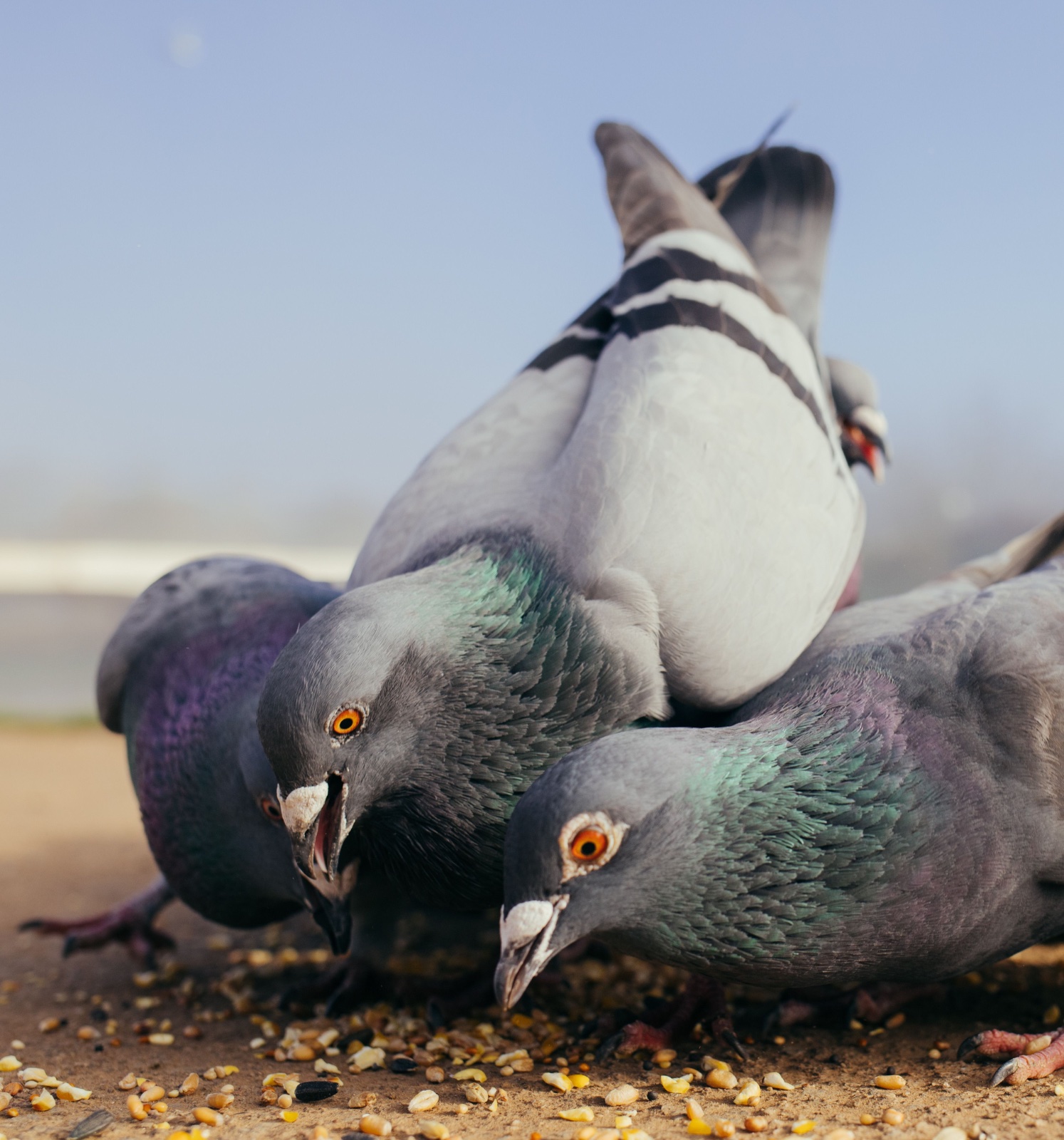
Rock pigeons live alongside people in cities around the world. The classic bird is blue-gray with two dark wing bars, but a single flock can include black, rusty, checked, white, and splotched individuals. Those colors are variations within the species. [1]
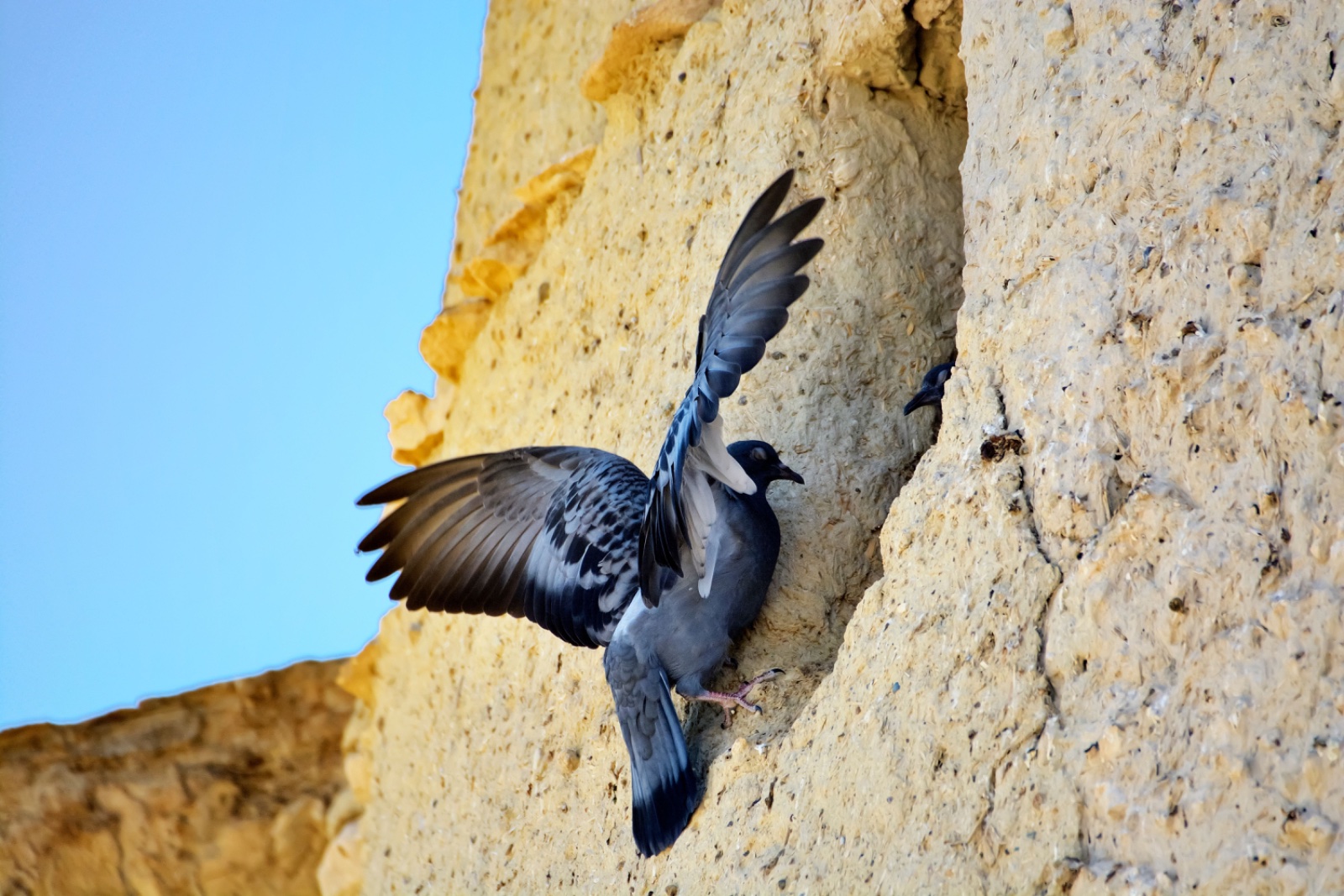
Look for them on sidewalks, building ledges, bridges, farms, and rocky cliffs. Their ancestors were cliff nesters, which helps explain why a sheltered building ledge feels like a good place to raise a family. Many city birds descend from domestic pigeons. [1, 6]
Related reading10 Quick Facts About Pigeons →2.Band-tailed pigeon: the western forest flier
Scientific name: Patagioenas fasciata. [2]

If you live near forests on the Pacific Coast or in the Southwest, you may have a different pigeon overhead. Band-tailed pigeons are native to western North America. They often travel in flocks above tall trees and feed on seeds and fruits. [2]
At a glance, one can resemble a large rock pigeon. Look for the pale band near the end of its long tail, a white crescent on the back of its neck, and a yellow bill with a dark tip. In Southern California, a walk near wooded habitat gives you a better chance of spotting one than a search through a downtown flock. [2]
3.Common wood-pigeon: Europe’s park and woodland regular
Scientific name: Columba palumbus. [3]

The common wood-pigeon is a large, sturdy bird familiar across much of Europe. It nests in woodlands and city parks, then forages in fields and open spaces. Adults have a white patch on the neck edged with green iridescence. In flight, broad white wing bands make the species especially easy to pick out. [3]
Its voice is another clue: a low, rolling coo that can sound surprisingly powerful for a bird perched quietly in a tree. Wood-pigeons eat a wide range of plant foods, from seeds and berries to leaves and buds. [3, 7]
4.Nicobar pigeon: the island bird with a metallic sheen
Scientific name: Caloenas nicobarica. [4]
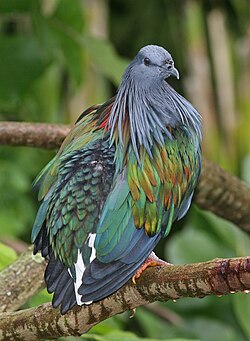
A Nicobar pigeon can look almost green and copper as light catches its iridescent feathers. Long, hair-like feathers drape from its neck. This species lives on islands in Southeast Asia, often using small forested islands for breeding and traveling to larger areas to forage. Fruits and seeds are important foods. [4]
The dazzling plumage does not make it a fancy breed of city pigeon. It is a wild species adapted to island life. Seeing one is a useful reminder that the pigeon family includes far more than the birds we meet at a bus stop. [4]
5.Victoria crowned pigeon: a giant with a lace-like crest
Scientific name: Goura victoria. [5]

The Victoria crowned pigeon lives in the New Guinea region. It is among the largest living pigeons, weighing about five pounds, and carries a delicate fan of feathers on its head. Its blue-gray body and crest make it hard to mistake for a sidewalk pigeon. [5]
This is a forest bird that spends much of its time on the ground, searching for fallen fruit and seeds. The species is classified as Near Threatened; forest loss and hunting are concerns. Its size and spectacular crest make a strong first impression, but its future depends on the forests it uses. [5, 8]
Are these different from pigeon breeds?
Yes. A breed is a human-selected variety within a domestic species. A white rock pigeon and a blue-gray rock pigeon can be the same species, just as fancy and homing domestic pigeons are varieties of rock pigeon. The band-tailed, wood, Nicobar, and Victoria crowned pigeons listed here are separate wild species, with their own ranges and features. [1–5]
Pigeons and doves belong to the same bird family, Columbidae. The common name on a species does not tell you everything about its size or appearance. [1–5]
Pigeon species questions, answered
Which pigeon is the one I see in most cities?
Usually the rock pigeon. Its feather colors vary widely, so several birds that look different can still be members of the same species. [1]
Are band-tailed pigeons the same as city pigeons?
No. Band-tailed pigeons are a separate species native to western North America. Look for their pale tail band, white neck crescent, and forest habitat. [2]
Was the passenger pigeon another species?
Yes. The extinct passenger pigeon was a separate North American species. The rock pigeons common today are not its descendants. [9]
Look for the differences, then the family resemblance
These five pigeons have different homes and strikingly different looks. They also invite the same simple habit: watch the bird in front of you before deciding you already know its story. A pale tail band in a forest or a flash of color on a city bird can turn a quick glance into a discovery.






.jpg)


